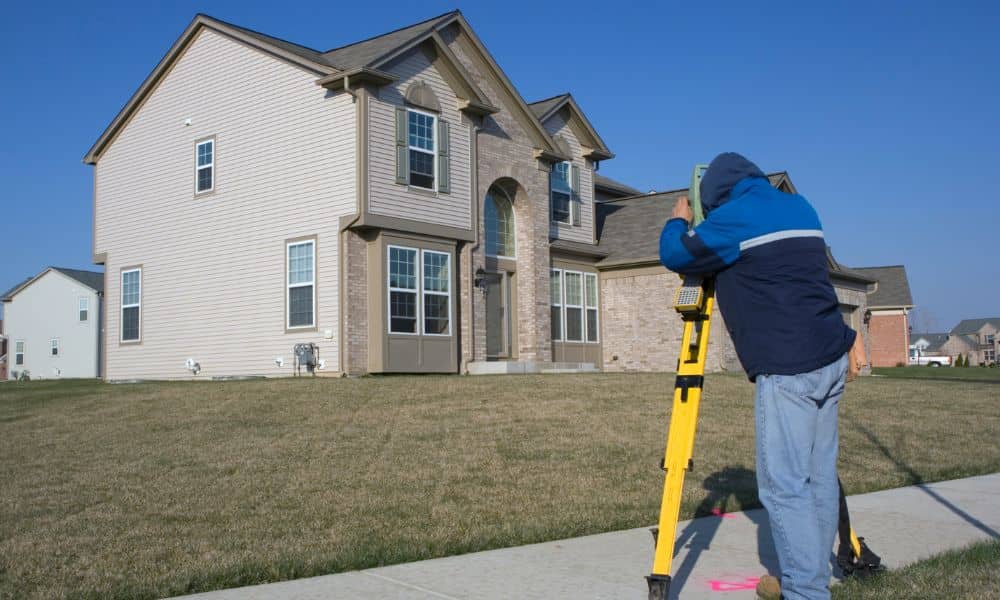
A property with a private well, a shared septic system, or buried lines can raise questions at closing. This is true when the property never had those lines mapped on a public record. When a lender orders a loan closing survey for a home like this near Hartford, the private utilities often need the closest look. Public records rarely show the full picture for equipment one owner installed alone. That gap can slow down a closing if nobody catches it early.
Private Utility Records Can Leave Gaps Before Loan Closing
Private utilities don’t show up in the same records as public water or sewer lines. A private well or a buried line to a shed often gets installed without a permit. That means the surveyor may only have whatever paperwork the owner still has on hand.
Connecticut’s Call Before You Dig program helps find underground lines before digging starts. It keeps workers and buried lines safe. But this markout is built for digging safety. It isn’t built for closing paperwork. It won’t always find every private line on a property. It also doesn’t replace the site work a loan closing survey does. Some people think a Call Before You Dig markout covers everything underground. That’s not true. This is worth clearing up before the survey scope gets set.
For a property with private utilities, the surveyor looks at a few things. This includes what’s visible on site. It includes any old plans the seller still has. It includes past survey records, if any exist. And it includes what the surveyor sees in the field. When these sources match, the picture is usually clear. When they don’t match, that’s often when new questions come up.
Match Utility Evidence to the Land Being Financed
Once the surveyor gathers this information, the next step is simple. The surveyor checks that the private utilities actually serve the property being financed. Not a different property next door. This matters because the lender needs proof that the collateral in the loan file matches what’s really on the ground.
A private well from years ago may not line up with today’s property lines. This can happen if the land was split or combined since the well went in. The survey shows where these features sit next to the current boundary. This helps confirm whether the utility sits inside the financed property. Or whether it crosses onto land that isn’t part of the sale.
This step also covers lines that run through garages or sheds. If a private line feeds a small building close to a property line, that matters. If the property’s size on paper doesn’t match what the surveyor finds, that matters too. Both need to get sorted out before closing.
Check Whether Utility Routes Cross Other Property
A private line that crosses onto a neighbor’s land raises different questions. So does a line a neighbor relies on for service. Shared wells and shared septic systems show up more in older neighborhoods. This is common in some parts of the Hartford area too.
When a survey shows a utility crossing a property line, there’s a question to answer. Is there a recorded easement that covers this setup? Sometimes the answer is no paperwork at all. A shared utility with no clear record can slow down closing. It can also cause confusion later if something breaks and nobody knows who pays.
The title company often gets involved at this point. If the survey finds a utility crossing that isn’t in the title commitment, someone needs to review it. The surveyor’s job is to spot the issue clearly. Then an attorney, the title company, or the lender can decide what it means for the closing.
Decide When a Private Utility Locate Adds Useful Detail
A loan closing survey shows what’s visible and what the records support. It doesn’t map underground lines as closely as a dedicated utility locate does. For most closings, the survey gives enough detail to meet lender and title requirements. But sometimes a closer look is worth it.
This comes up when a private line’s path isn’t clear from the records. It also comes up when a planned addition might run into a buried line. Or when the buyer wants more certainty about a system’s condition before buying. A private utility locate can add more detail below the surface. It’s a separate service with its own cost.
Whether this step makes sense depends on how much is still unclear after the survey. It also depends on the buyer’s plans for the property. A buyer who wants to build near an existing private line has a strong reason to ask for a locate. A buyer who just wants to confirm current conditions may not need one.
Resolve Utility Questions Before the Closing Package Is Finalized
Private utility questions are easier to solve early. They get harder to solve once a closing date is already set. Ask the seller for known utility information before the survey gets ordered. Ask for past surveys and any old plans too. This gives the surveyor more to work with from the start.
Bring questions to the surveyor, lender, and title company as soon as they come up. Don’t wait until the closing package comes together. This habit tends to prevent last-minute delays. If a shared system or an unclear line shows up during the survey, deal with it early. That leaves time for any follow-up work that’s needed. Checking on these details ahead of time is the best way to keep a closing on track when private utilities are part of the deal.
Frequently Asked Questions
Can a loan closing survey show a private well or septic system?
In many cases, yes. A well or septic system that’s visible or written down in the records can usually go on the survey. Parts below the surface, like the full size of a septic drainfield, may need separate records or extra digging into the details.
What if the seller has no plans for underground private utilities?
This happens a lot with older homes. When there are no old plans, the surveyor works from what’s visible on site and any records that can be found. Depending on what turns up, it may be worth asking about a closer utility locate before closing.
Does a survey prove an underground utility’s exact depth?
No. A survey shows what’s visible and what the records support. It doesn’t give the same detail as a dedicated underground utility locate. If exact depth matters for a project you’re planning, that calls for a separate service.