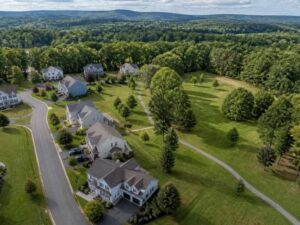
Two people can held a legal stake in the same house at the same time. That’s how a life estate works. The life tenant has the right to use the property for life, and the remainderman takes over when that life ends.
That shared setup can make a closing harder than a normal sale. Old fences, add-ons built years ago, and unwritten access deals can all show up at the last minute. A closing survey brings those issues to light early, so buyers, families, and title companies can fix them before the closing date.
If you’re buying, selling, or settling a life estate property, order the survey as soon as the deal starts. Waiting until the final days leaves little time to clear up problems. The sections below show what the survey checks and what papers you’ll need.
The Role of a Closing Survey in Life Estate Property Transactions
In a life real estate sale, the closing survey checks the land itself before anyone signs. A licensed surveyor finds the corner markers, measures the buildings, and compares the site to the deed and recorded maps. That drawing becomes the shared record that life tenants, remaindermen, buyers, and lenders all rely on.
This matters because a life estate often involves more than one owner. In many cases, a buyer who wants full ownership needs both the life tenant and the remaindermen to sign. If the survey shows a problem, every owner may have to agree on how to fix it. Finding issues early gives families time to talk things through instead of rushing.
Boundary Complications Between Life Tenants and Remaindermen
Boundary problem solving often build up slowly during a long life. A life tenant may live on the land for decades. Over that time, fences get moved, gardens spread, and sheds go up near the edge of the lot. A handshake deal with a neighbor might feel settled, even though nothing was ever written down.
The remaindermen may know about any of this. They might live far away or rarely visit. The closing survey shows where the deed line really runs and where fences, driveways, and plantings sit compared to it.
Common Boundary Issues a Survey May Find
Most boundary issues fall into a few familiar groups. Some are small and easy to fix. Others take more work, so it helps to know what to look for:
- A fence that sits a few feet onto a neighbor’s land
- A driveway or parking pad that crosses the property line
- Corner markers that are missing, buried, or knocked out of place
- A deed description that doesn’t match an older survey
Each of these can delay a closing. Some can be solved with a simple boundary agreement or a moved fence. Others may need help from an attorney, so build extra time into your schedule.
The Impact of Unrecorded Improvements on Life Estate Closings
A unrecorded improvement is any change to the property that never showed up in permits or public records. During a life estate, the life tenant may have added a deck, a garage, or a back room without telling anyone. These projects might have been built with care. They still need to appear on the closing survey.
The surveyor measures where each building sits and how close it is to the lot lines. If a structure sits too close to the line or crosses it, the title company or lender may flag it. Setback rules vary by town and zoning district, so the drawing gives officials real numbers to review.
Before the survey, gather what you can find. Look for permits, contractor bills, and old photos that show when work was done. You can also ask the local building department to check its permit files for the address.
Easement Rights and Access Restrictions Under Life Estate Ownership
A easement gives another person or company the right to use part of your land for a set purpose. Common examples include utility lines, shared driveways, and paths that lead to a back lot. Recorded easements show up in the title search, and the surveyor can plot them on the drawing.
Life estates add a layer to this. A life tenant may have given a neighbor permission to cross the land or share a driveway. Whether that permission still holds after the life estate ends depends on how it was set up and on state law. An attorney should review any written or spoken access deals before closing.
The survey also catches signs of use that never made it into the records. A worn footpath, an overhead wire, or a shared gravel drive can point to access rights nobody wrote down. Ask the surveyor to note these on the drawing so the buyer and title company can look into them.
Survey Documentation Needed When a Life Estate Terminates
When a life estate ends, the remaindermen usually need records that show both the change in ownership and the current state of the land. The legal paperwork is often handled title companies, and the steps can vary by state and county. The surveyor’s job is to show the new owners exactly what they now hold. Having these records ready can speed up that work:
- The current deed and the deed that created the life estate
- Any earlier surveys or recorded plats for the lot
- The title commitment, which lists recorded easements and other exceptions
- Permit records for buildings, additions, or pools
- Written boundary or access agreements with neighbors
If the remaindermen plan to sell soon, a fresh survey can save time later. An old survey may show changes made during the life estate. Ask the title company early whether it will accept an existing survey or wants a new one.
Frequently Asked Questions
Does a life tenant need the remainderman’s permission to sell?
A life tenant can usually sell only their own life interest without the remainder. A buyer who wants full ownership typically needs every owner to sign the deed. The details depend on how the life estate was created and on state law. Talk with a real estate attorney before you list the property.
Can we use the survey from when the life estate was created?
Sometimes, but it depends on how old the survey is and what has changed since. Many life estates last for decades, and fences, buildings, and markers can shift in that time. Title companies and lenders each set their own rules on survey age. Call them early to find out what they’ll accept.
How long does a closing survey take?
Timing depends on the lot size, the records on hand, and the surveyor’s schedule. A simple house lot often moves faster than rural land with missing markers. Problems found in the field can add time for research. Order the survey as soon as you have a signed contract or know a closing is coming.