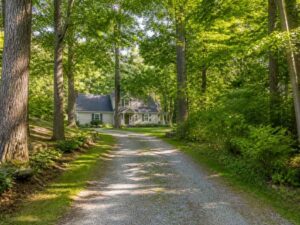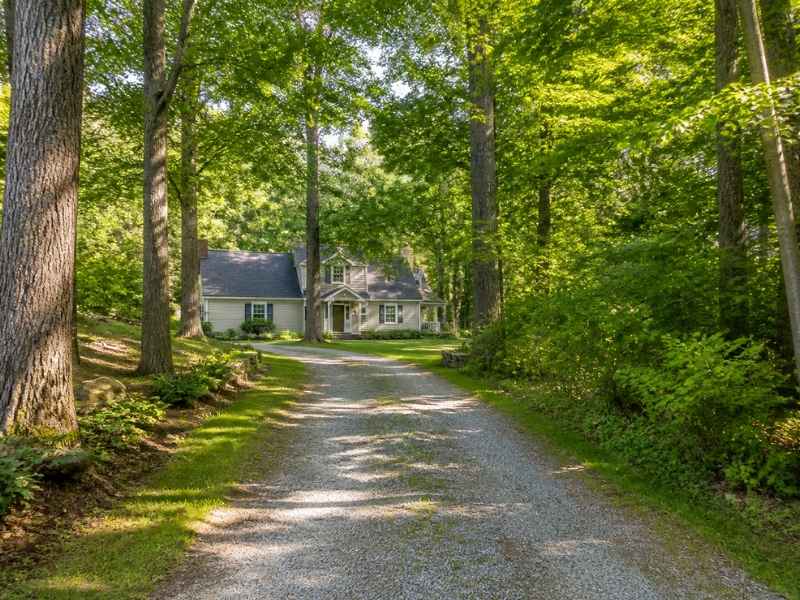
A gravel lane lined with mailboxes can look charming on a showing day. Behind that lane, though, sit legal questions most listings never mention. Who owns the road, who can use it, and who pays to fix it all depend on recorded documents and real boundary lines.
Many buyers assume that driving down a road for years means they have a right to use it. That assumption can fall apart at closing, or years later when a neighbor sells. Bringing in a land surveyor before you commit shows you where the road sits, what rights come with the house, and what problems might follow you. The earlier you order that work, the more room you have to negotiate or walk away.
Private Road Ownership Versus Legal Access Rights
Owning a home on a private road and having the legal right to use that road are two separate things. The road itself might belong to one neighbor, a homeowners association, a group of lot owners, or the heirs of whoever first split the land. Your access usually comes from a recorded easement, a deed provision, or a shared ownership interest in the road parcel.
Problems show up when those rights are vague or missing. Some older roads were used for decades without anyone recording an agreement. In that case, your access may rest on informal permission, and permission can change when property changes hands.
Lenders and title companies look closely at this. Some lenders want proof of recorded legal access before they’ll fund a loan, and some also ask for a road maintenance agreement. Requirements vary by lender and loan type, so ask your loan officer early what they’ll need to see.
Land Surveyor Review of Recorded Easements and Road Boundaries
A survey turns written easement language into lines on the ground. Your surveyor pulls the deed, recorded plats, and any easement documents tied to the property. Then the crew locates the actual road and compares where it sits to where those records say it should be.
That comparison often reveals gaps worth knowing about before closing. Some are minor, and some can change the value of the deal. Common findings include:
- The traveled road drifting outside the recorded easement strip
- An easement that serves your lot but stops short of the public street
- Gates, fences, or plantings placed inside the easement area
- Road segments crossing parcels not named in any access document
Your title commitment will list recorded easements, but it won’t show where they fall physically. Pairing the title work with a survey lets your attorney see both the paper rights and the real conditions. That gives you something solid to act on.
Road Width and Clearance for Residential Access
Width matters more than most buyers expect. A road that feels fine in a sedan may be too tight for a fire truck, a delivery truck, or a moving van. Local fire codes and zoning rules often set minimum widths and clearances for access roads, and those standards vary by municipality and property type.
A survey can measure the traveled width, the recorded easement width, and any pinch points along the way. Overhanging branches, stone walls, utility poles, and tight curves all affect clearance. If the easement is wider than the gravel, there may be room to improve the road later, but a narrower easement limits your options fast.
This also matters if you plan to build. Some towns review access before issuing a permit for a new home, an addition, or an accessory unit. Check with local building and fire officials before you count on a project that depends on better road access.
Shared Driveways Crossing Multiple Property Boundaries
Many private roads end as shared driveways serving two, three, or more homes. These driveways often cross several lot lines along the way. Each crossing is a spot where you need a clear right to pass.
A survey shows exactly where each boundary line meets the driveway. It also shows whether the driveway stayed inside the easement or wandered onto a neighbor’s yard over time. That detail matters because an owner can sometimes object to use outside the recorded area.
Ask the sellers whether a written sharing agreement exists. A good agreement covers who plows snow, who pays for repairs, and how costs get split. If there isn’t one, talk with your attorney about drafting and recording one before you close.
Land Surveyor Findings That May Affect Future Road Improvements
Roads need work over time. Paving, regrading, adding drainage, or widening a curve all depend on having the space and the rights to do it. The survey you order now becomes the base map for those future decisions.
Watch for drainage running across a neighbor’s land, culverts outside the easement, or steep grades near the road edge. A topographic survey adds elevations, which helps an engineer plan drainage fixes or grading. Water lines, gas lines, or overhead wires inside the road corridor can also raise the cost of any upgrade.
Some neighborhoods hope a town will take over their private road someday. Towns usually set their own standards for accepting a road, and many older private roads don’t meet them. Don’t assume a public takeover is coming until you’ve confirmed the process and the road’s condition with local officials.
Frequently Asked Questions
Do I need a survey if the title company already found an easement?
It’s usually a smart step. The title search shows what’s recorded, but it doesn’t show where the road actually sits. A survey confirms whether the road on the ground matches the easement on paper. Ask your attorney and title company whether a survey would change your coverage or options.
Who pays to maintain a private road?
It depends on what’s recorded and what the owners have agreed to. Some roads have a maintenance agreement that splits costs by lot or by usage. Others have no written terms, which can lead to disputes. Ask the sellers for any agreement and have your attorney review it before closing.
Can a neighbor block my access to a private road?
If you hold a recorded easement, a neighbor generally can’t block your use of that area. If your access depends on informal permission, things are less certain. Legal questions about access belong with a real estate attorney. A survey helps that attorney see exactly where your rights apply.
How early should I order a survey before closing?
Order it as soon as your offer is accepted. Timing depends on property size, the records involved, and the surveyor’s schedule. Older roads with unclear deeds can take longer to research. Starting early leaves time to handle surprises before your closing date.
Will a survey tell me if the road can be widened?
A survey shows the easement width, the traveled width, and nearby walls, trees, and utilities. That tells you whether there’s physical and recorded room to widen. Whether you’re allowed to widen depends on the easement terms and local rules. An engineer or your planning office can help with approvals.